

Rasta Pasta Recipe
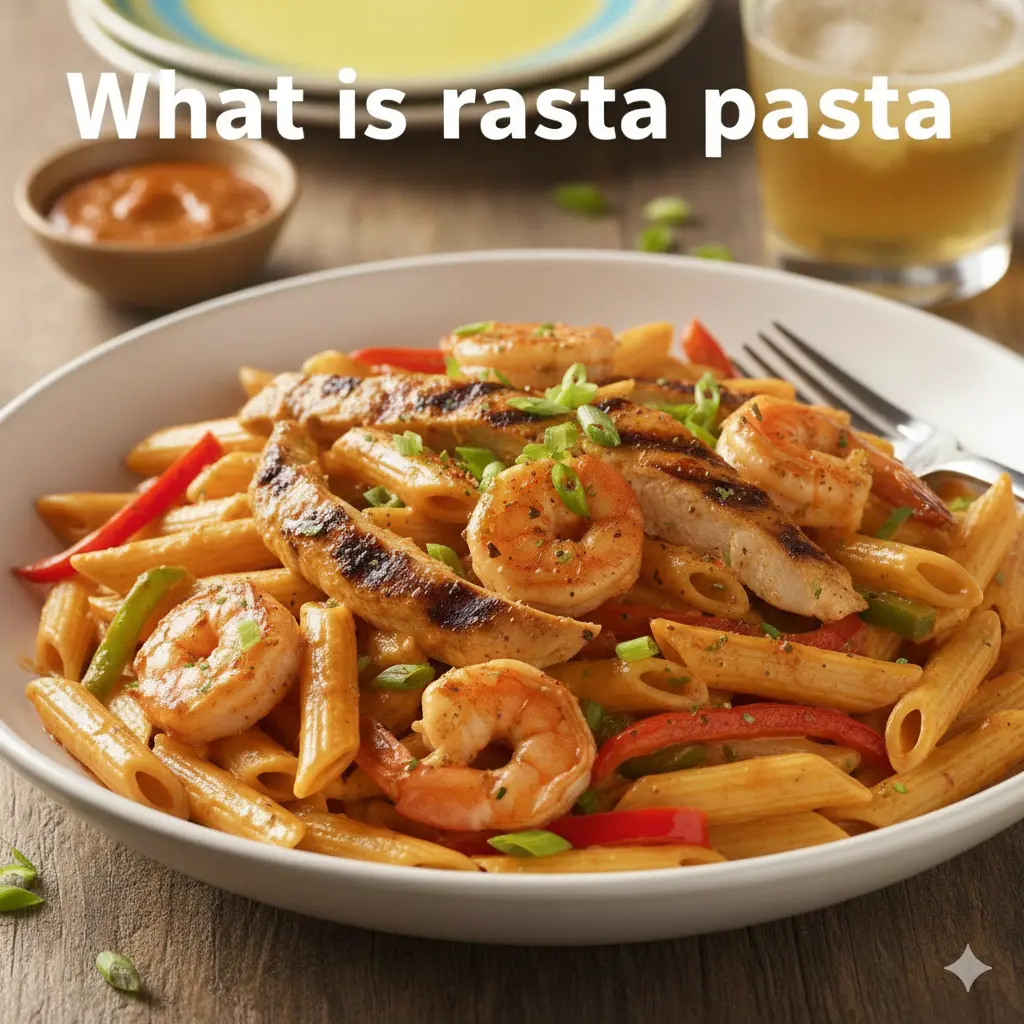
Prep: 15 min | Cook: 20 min | Total: 35 min | Serves: 4–6
What Is Rasta Pasta?
Rasta Pasta is a colorful Jamaican-created fusion pasta that combines Caribbean flavors with the comfort of
a creamy pasta dinner. Modern versions commonly bring together pasta, red, yellow and green bell
peppers, jerk seasoning and a creamy sauce, with chicken, shrimp or vegetables added depending on the
cook.
The reason this dish works so well is contrast. Sweet peppers soften the heat and aromatics of the jerk
seasoning, while cream, coconut milk and cheese give the sauce enough richness to coat every piece of
pasta. The result should be creamy and savory with a noticeable Caribbean spice—not a bowl of plain
Alfredo with a little seasoning sprinkled on top.
For this recipe, I use penne because the short tubes hold plenty of sauce, but rigatoni or fusilli also work.
Jerk-seasoned chicken makes it a filling main course, although you can leave the meat out or use shrimp
instead.
The strongest competing recipes similarly emphasize pasta, bell peppers, jerk flavor and a creamy sauce,
with penne among the common pasta choices.
Why Is It Called Rasta Pasta?
The name is connected to the dish’s Jamaican origin and its early presentation. Today, many versions also use red, yellow, and green bell peppers, giving the finished pasta the bright colors widely associated with Rasta Pasta.
Where Did Rasta Pasta Come From?
Rasta Pasta originated in Jamaica. Chef Lorraine Washington told The Jamaica Gleaner that she created the dish at Paradise Yard Restaurant in Negril in 1985 while preparing food for construction workers.
Her original version was different from many creamy Rasta Pasta recipes served today. It included homemade fettuccine with ackee and tomato sauce. According to Washington, workers noticed the colors of the dish, and one carpenter suggested the name “Rasta Pasta.” Another compared the strands of fettuccine to dreadlocks. The dish was later placed on the restaurant’s menu.
Modern Jamaican Rasta Pasta has evolved considerably, with cooks using ingredients such as penne, bell peppers, jerk seasoning, cream, coconut milk, cheese, chicken, and shrimp.
This makes Rasta Pasta better described as a Jamaican-created fusion dish rather than simply an Italian pasta with Jamaican seasoning.
Ingredients for Rasta Pasta Recipe
For a creamy Rasta Pasta that serves about four to six people, you will need penne pasta, chicken, Jamaican
jerk seasoning, red, yellow and green bell peppers, onion, garlic, heavy cream, full-fat coconut milk,
Parmesan, a small amount of cheddar, cooking oil, salt and black pepper.
The jerk seasoning is where most of the dish’s personality comes from, so start according to the heat level
of the blend you are using rather than assuming every brand has the same intensity. Mild jerk seasoning
can give you plenty of aromatic flavor without overwhelming heat, while hotter blends can make the
finished pasta noticeably spicy.
Cut the peppers to a similar thickness so they soften evenly without turning mushy. The goal is to keep
some texture and sweetness in the vegetables.
For the chicken, breast or boneless thigh can work. Thigh is more forgiving if you are worried about
overcooking, while breast produces a leaner result. Season the chicken before it enters the pan so the
exterior has a chance to brown.
Here’s everything you’ll need to make rasta pasta:
| Ingredient | Quantity |
|---|---|
| Chicken Breasts | 2 (cut into strips) |
| Dry Jerk Seasoning | 2 tbsp |
| Paprika | 1 tsp |
| Olive Oil | 2 tbsp |
| Penne Pasta | 12 oz |
| Onion | 1 (chopped) |
| Red Bell Pepper | 1 (chopped) |
| Green Bell Pepper | 1 (chopped) |
| Yellow Bell Pepper | 1 (chopped) |
| Garlic | 3 cloves (minced) |
| Salt and Pepper | To taste |
| Heavy Cream | 1 cup |
| Coconut Milk | 1/2 cup |
| Parmesan Cheese | 1/4 cup (grated) |
| Cheddar Cheese | 1/4 cup (shredded) |
| Wet Jerk Seasoning | 2 tbsp |
Ingredient Notes and Substitutions
Pasta: Penne works especially well because the sauce gets inside the tubes, but rigatoni, fusilli, bow ties, or another short pasta can also work. Food Network’s Jamaican Rasta Pasta recipe also uses penne, while noting that the early version of the dish used a longer pasta.
Bell peppers: Red, yellow, and green peppers give the dish its recognizable appearance. Slice them into similar-sized pieces so they cook evenly.
Jerk seasoning: Start with about 1 tablespoon if you prefer a milder pasta. Increase it gradually for more heat and stronger jerk flavor. Wet jerk seasoning is particularly convenient for spreading flavor throughout the sauce.
Heavy cream: Heavy cream gives the sauce a rich texture. Avoid boiling it aggressively because very high heat can make a cream-based sauce separate.
Coconut milk: Full-fat coconut milk gives better texture than light coconut milk. It adds a mild sweetness that works well with jerk seasoning.
Cheese: Parmesan adds salty, savory flavor while cheddar helps make the sauce richer. Add the cheese over low heat or after reducing the heat so it melts smoothly.
Protein: The base recipe can be served without meat. For a fuller meal, add separately cooked jerk chicken or shrimp at the end.
Easy Rasta Pasta Recipe That Still Tastes Right
An easy rasta pasta recipe doesn’t mean cutting corners. It just means keeping things simple. I don’t measure much anymore. I taste instead.
Garlic goes in after the onions soften. I keep stirring so it doesn’t burn. Once the peppers hit the pan, I let them sit for a minute before stirring. That little bit of contact with the pan brings out their sweetness.
If you’ve ever wondered how do you make rasta pasta without it turning watery, this is the trick. Let vegetables cook before adding liquid.
How to Make Rasta Pasta Recipe
Bring a large pot of salted water to a boil and cook the penne until just al dente. Before draining it, reserve
some pasta water. That starchy water gives you an easy way to loosen the finished sauce if necessary.
While the pasta cooks, coat the chicken evenly with jerk seasoning. Heat a wide skillet with a little oil and
cook the chicken until browned and safely cooked through. Avoid overcrowding the pan because tightly
packed chicken releases moisture and steams instead of developing good color. Transfer the cooked
chicken to a plate.
Add the onions and sliced bell peppers to the same pan. Cook until the onions soften and the peppers
become tender while still retaining some bite. Add the garlic near the end so it becomes fragrant without
burning.
Reduce the heat before adding the cream and coconut milk. Stir in a smaller amount of jerk seasoning and
let the sauce simmer gently until it begins to coat the spoon. Avoid aggressive boiling.
Reduce the heat further, add the Parmesan and cheddar gradually, and stir until smooth. Add the drained
pasta and toss until each piece is coated. If the sauce becomes thicker than you like, add reserved pasta
water a tablespoon or two at a time.
Return the chicken to the pan only long enough to warm it through. Taste before adding more salt because
both jerk seasoning and cheese can contribute substantial seasoning.
Total Time: 30-35 minutes
- Prepare the Chicken (5-7 minutes)
- Cut the chicken breasts into strips. Season the chicken with jerk seasoning, salt, and pepper. Cook the chicken in a hot pan with olive oil until golden brown and cooked through. The seasoning will form a nice crust on the chicken, adding lots of flavor.
- Cook the Pasta (10 minutes)
- Boil water in a large pot and cook the penne pasta according to the package instructions. Once the pasta is ready, drain it, saving a little bit of the pasta water.
- Cook the Veggies (5 minutes)
- In the same pan you used for the chicken, add a bit of olive oil and sauté the onions and bell peppers until they’re soft and slightly caramelized. This brings out their natural sweetness.
- Make the Sauce (5-7 minutes)
- Add garlic to the pan with the cooked veggies and cook for another minute. Then pour in the heavy cream and coconut milk, stirring occasionally. Let it simmer until the sauce thickens up, about 5-7 minutes.
- Add the Cheese (2 minutes)
- Once the sauce has thickened, remove the pan from the heat and stir in the Parmesan and cheddar cheese. Stir until the cheese is melted and the sauce becomes smooth and creamy.
- Combine the Pasta and Chicken (2 minutes)
- Add the cooked pasta to the pan with the sauce and toss it until the pasta is fully coated. Then, add the cooked chicken (or shrimp if you prefer) and mix everything together.
- Serve and Enjoy
- Serve the rasta pasta hot, and feel free to garnish with extra cheese or fresh herbs like parsley if you like.
Rasta pasta is a fun and flavorful dish that mixes creamy pasta with the spicy kick of jerk seasoning. The combination of tender chicken (or shrimp), sweet bell peppers, and rich sauce makes this dish a favorite for any meal. It’s simple to make and sure to please everyone at the table!
Tips, Variations and Serving Ideas
For Shrimp Rasta Pasta, cook seasoned shrimp separately and return them to the sauce near the end so
they do not become tough. A dedicated shrimp page should provide exact timing and quantities. Current
shrimp SERPs are highly specialized, with pages from Glam Kitchen, The Dinner Bite and Weekday
Pescatarian giving shrimp-specific methods and recipe cards.
For Vegetarian Rasta Pasta, omit the chicken and build the meal around peppers and vegetables such as
properly browned mushrooms. For a completely vegan Rasta Pasta, use full-fat coconut milk and a tested
dairy-free cheese/sauce approach. Vegan and vegetarian search results are already occupied by sites
offering genuinely specialized versions, so your pages need to be full recipes rather than the original recipe
with one sentence saying “leave out the meat.”
For a milder dish, start with less jerk seasoning and add more only after tasting the sauce. The amount of
heat varies with the seasoning blend; competing recipe guidance similarly recommends reducing jerk
seasoning when less spice is desired.
Leftovers will thicken as the pasta absorbs moisture. Reheat gently instead of boiling the sauce, adding a
small splash of appropriate liquid as needed to return the sauce to a creamy consistency.
Most importantly, taste as you cook. A good Rasta Pasta should have enough jerk character to taste
unmistakably Caribbean-inspired, enough creaminess to coat the pasta and enough pepper flavor to keep
the dish from feeling heavy
Rasta Pasta Ingredients I Always Use
When people ask about rasta pasta ingredients, I tell them it’s less about the list and more about how you use them.
The ingredients for rasta pasta in my kitchen usually include pasta, bell peppers, onion, garlic, cream or coconut milk, oil, salt, and seasoning. That’s it.
The rasta pasta recipe ingredients don’t need to be exact. Penne and rigatoni both work well. Short pasta holds the sauce better. Fresh peppers matter more than fancy seasoning.
I’ve tried skipping the peppers once. I didn’t make that mistake again.
How to Make Rasta Pasta Without Overthinking It
How to make rasta pasta becomes easy once you’ve done it once or twice. Start with boiling pasta in salted water. While that cooks, heat oil in a wide pan. Add onions and let them soften. Garlic follows. Then peppers.
Once everything smells right, add seasoning. I go light at first. You can always add more, but you can’t take it out.
Lower the heat before adding cream or coconut milk. Stir gently. Add pasta back in and let it finish cooking in the sauce.
That’s really how do you make rasta pasta at home without stress.
Creamy Rasta Pasta Recipe Done Properly
A creamy rasta pasta recipe lives or dies by heat control. I learned that the hard way after splitting the sauce more than once.
I always take the pan off the heat for a few seconds before pouring in cream. Then it goes back on low heat. The sauce thickens slowly and coats the pasta instead of pooling at the bottom.
If it gets too thick, I add a splash of pasta water. It loosens everything and brings the sauce back together.
Rasta Pasta Recipe with Coconut Milk
Some nights I reach for coconut milk instead of cream. A rasta pasta recipe with coconut milk feels lighter but still rich enough.
Full-fat coconut milk works best. I shake the can well and pour it in slowly. The smell changes straight away. It becomes warmer and slightly sweet.
This version works especially well with extra spice. The coconut smooths everything out.
Rasta Pasta Recipe Vegetarian Style
I cook rasta pasta recipe vegetarian more often than people expect. Mushrooms are my first choice. I slice them thick and cook them until they release their moisture and start to brown.
Courgette works too, but it needs less time. Add it late or it turns soft.
The key here is seasoning. Vegetables need salt early. I skipped that once and the whole dish tasted flat, even though it looked great.
Rasta Pasta Recipe with Shrimp
Shrimp and rasta pasta go well together, but timing matters. I season the shrimp lightly and cook them in a separate pan over medium-high heat. About a minute per side is usually enough.
They come out of the pan as soon as they turn pink. I add them back at the very end so they don’t overcook.
This rasta pasta recipe with shrimp works best when the sauce is already finished.
Rasta Pasta Recipe Chicken Version
Chicken is probably the most common way I make this dish. Thigh meat stays juicy and handles spice better than breast.
I cut the chicken into bite-size pieces and cook it first. Medium heat, enough space in the pan, and no stirring for the first minute. That’s how you get colour.
Once cooked, I set it aside and add it back after the sauce thickens. The chicken juices mix into the sauce and deepen the flavour.
Pasta Rasta Recipes and Small Variations
Pasta rasta recipes change depending on what’s in the fridge. Sometimes I add spinach at the end. Sometimes a squeeze of lime wakes everything up.
If the dish tastes heavy, a little acidity helps. If it tastes flat, salt usually fixes it.
These small adjustments are what turn a good rasta pasta into a great one.
Common Questions from Friends
People often ask how do you make rasta pasta creamy without it feeling heavy. The answer is low heat and patience.
Others ask what makes the best rasta pasta recipe. For me, it’s peppers cooked properly, sauce that isn’t rushed, and pasta that still has bite.
And yes, rasta pasta recipes taste even better the next day, though the sauce thickens. A splash of cream or coconut milk when reheating brings it back.
Explore Variations
Rasta Pasta is wonderfully versatile. Try a Vegan Rasta Pasta made with coconut milk and plant‑based protein, a Chicken Rasta Pasta featuring juicy jerk chicken, or a Shrimp Rasta Pasta with tender prawns.
If you’re after authentic Jamaican flavours, our Jamaican Rasta Pasta recipe follows the original methods, while our Creamy Rasta Pasta variation uses extra cream for a decadent twist. Each variation page includes detailed recipes and helpful tips.
Pro Tips and Variations While makeing Rasta Pasta
Adjust Spice:Add jerk seasoning depending on how spicy you like it.
Swap Protein:Use chicken, shrimp, beef, or even veggies—anything work well!
Use Coconut Milk:Little coconut milk makes sauce extra creamy and flavorful.
Do not Overcook Pasta:Keep your pasta slightly firm so that it mixes well with the sauce.
Add Extra Veggies:Bell peppers are great, but you can add mushrooms, spinach, or broccoli too.
Add Squeeze of Lemon:Little lemon juice at the end makes the flavors pop.
Also Read Rasta Pasta Seasoning
Also Read Cajun Rasta Pasta Recipe

Detailed Recipes
Discover step-by-step dishes crafted to inspire. Enjoy simple methods, bold flavors, and meals anyone can master with confidence.

Cooking Tips
Learn smart kitchen tricks that save time and boost flavor. Helpful techniques to improve every dish you prepare, big or small.

Cheat Meals
Treat yourself with fun, indulgent favorites. Easy comfort foods packed with flavor—perfect for those well-earned cravings.

Healthy Food
Enjoy nutritious meals made simple. Fresh ingredients, balanced flavors, and wholesome dishes for everyday wellness.
My Recent Recipes!
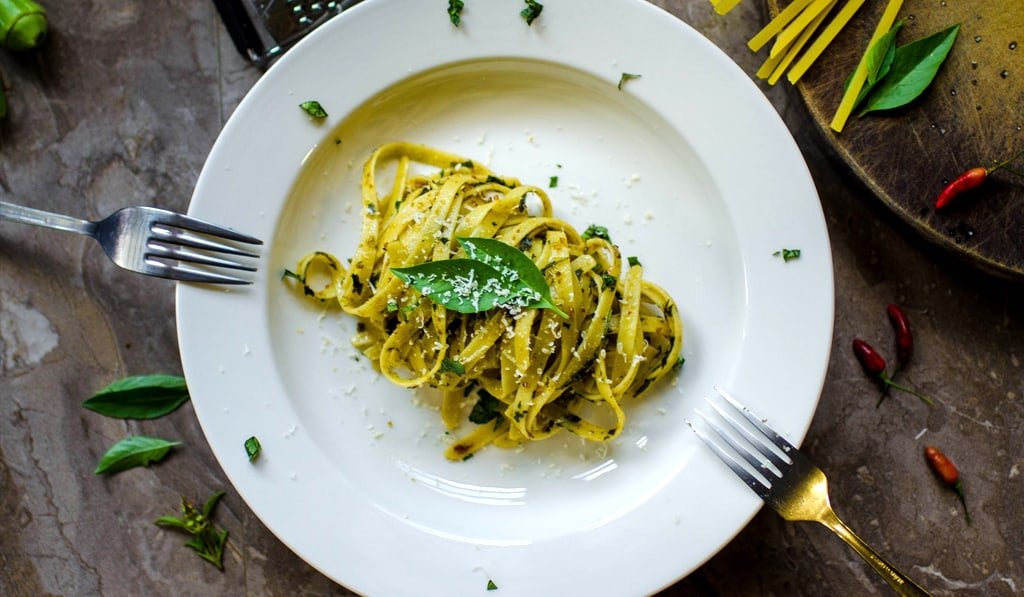
Tasty Pasta
Savor rich, creamy flavors blended with island spices. A simple yet bold dish that brings comfort and warmth to every bite
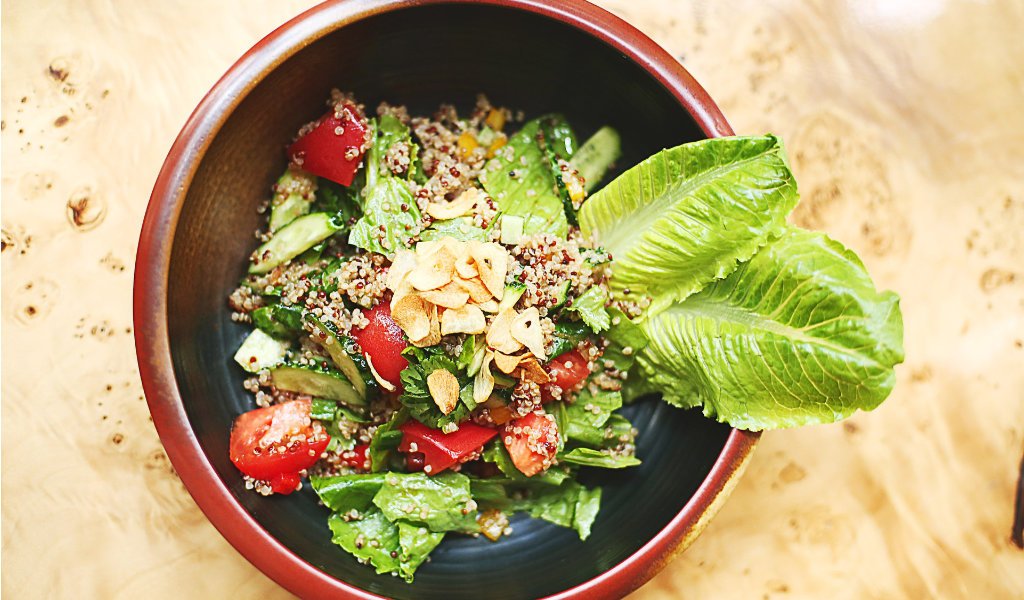
Sprouts Salad
Crisp greens, vibrant toppings, and tangy dressing combine to create a light, energizing meal perfect for any time
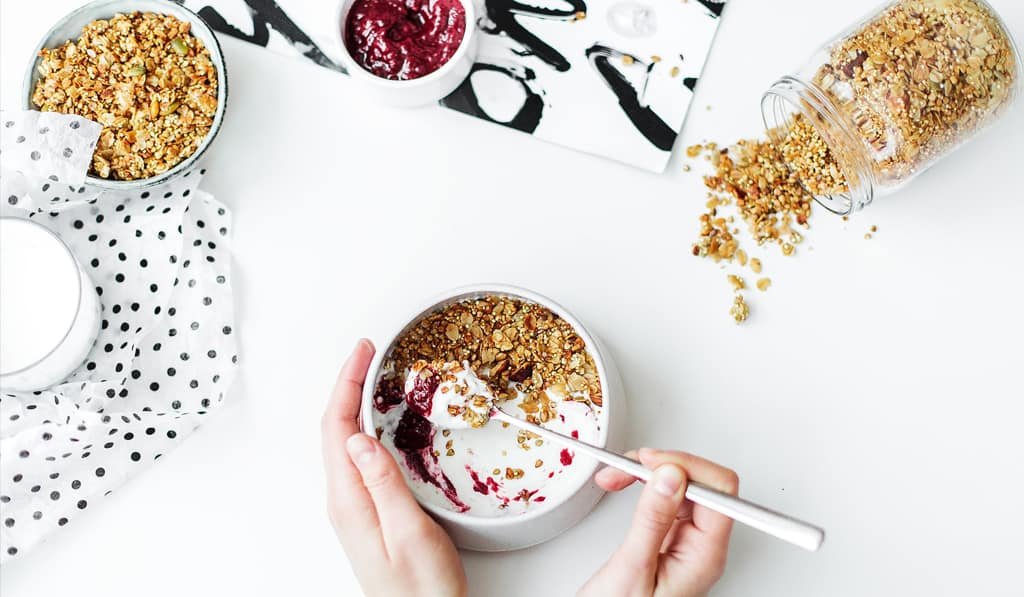
Healthy Oats
Wholesome oats mixed with fruit, nuts, and sweet spices make this a bright and nourishing way to start your morning